
Developing My Interior Style
When I first purchased my townhouse, I was a single woman in my mid-twenties, and contrary to popular belief, I didn’t have it all together. Only five months or so into a new job, I had just started getting my feet wet as a homeowner and trying to determine how I wanted that home to look and feel. There wasn’t an exact aha moment where I snap my fingers and everything was complete, but rather, it has been (and frankly still is) a journey that continues to teach me how a house truly becomes a home. Achieving the right interior style goes beyond merely filling a space with belongings; it involves crafting an atmosphere that reflects my personal style while ensuring functionality. A well-decorated interior can significantly affect mood, productivity, and comfort levels in any home. In my time as a homeowner, I have developed a better sense for what I wanted my home to communicate about me and the life I was trying to create.
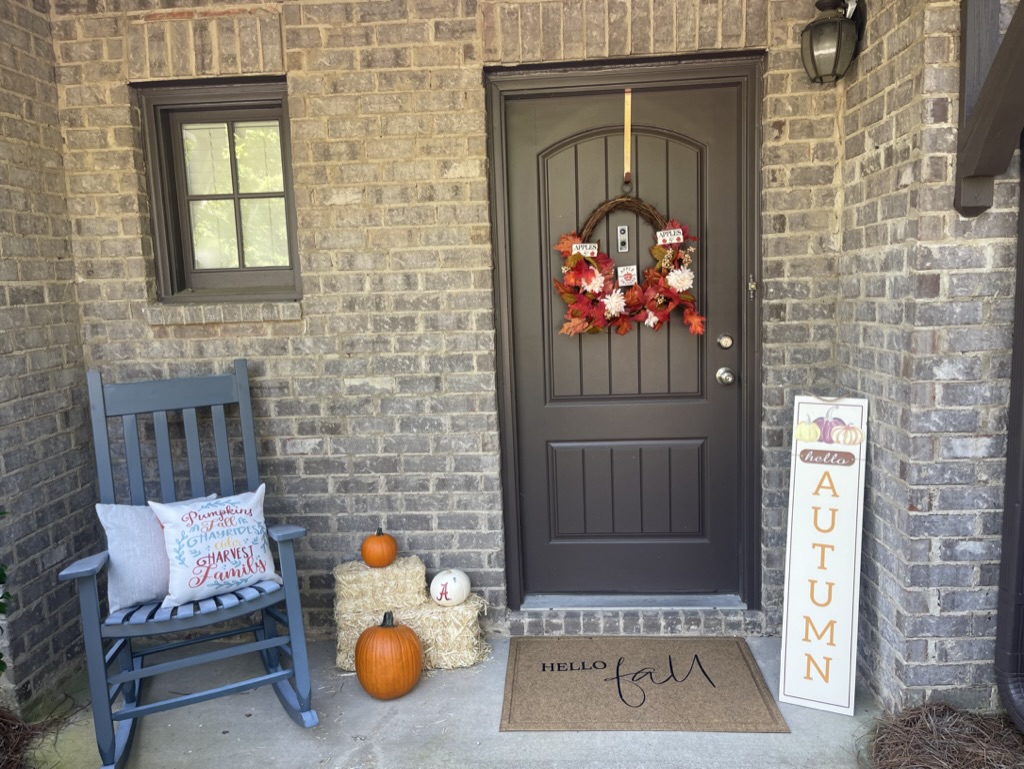
If I had to categorize the style I am trying to achieve, I would define it as transitional southern cottage. The idea is that my interior style doesn’t just exhibit one interior design framework, but more so that it is a collection of styles I gravitated towards, thought blended well together, and really represented me as a person. The transitional interior style serves as the foundation of my townhouse as it blends the traditional elements with a little bit of the modern touch. While transitional items can feel fresh and elevated, they maintain the bones and structure of those classical traditional elements. Where the personality really begins to seep into my style is through the southern design aspect. Born and raised in Georgia, I have always like the aesthetic of southern homes that feature those signature rocking chairs and front porch décor or draws a heavy focus to the indoor-outdoor living made perfect for hosting neighbors and family alike. To truly round out my style, the cottage aesthetic sets the general mood and atmosphere for my townhome as it adds to the coziness and lived-in feel into the space. Further, the cottage style creates a sense of comfort that makes me feel at ease after a long day from work.
This townhouse has become my starting point into adulthood and has established my interior decorating basics to achieving an inviting, put-together home that embodies who am I as a person.
Choosing a Color Palette
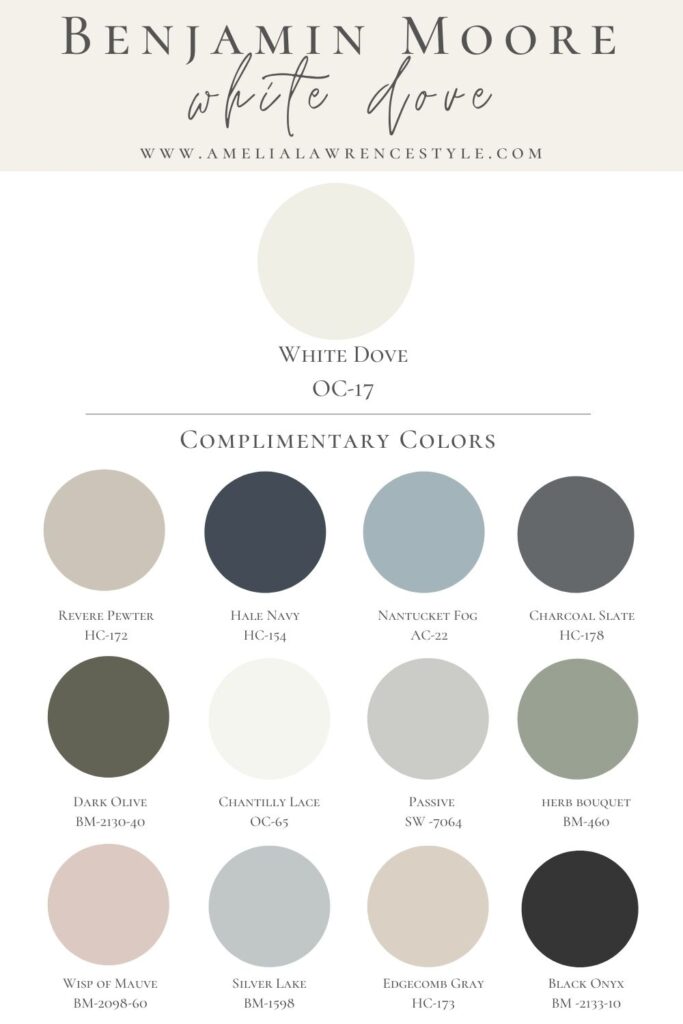
One crucial aspect of achieving my interior decorating style is selecting a color palette as colors set the mood for a room. At the recommendation of my realtor, I chose White Dove by Benjamin Moore as the primary color throughout my townhouse, and she was absolutely right about suggesting this creamy white for my home. Combined with the abundant natural light, this paint color gave my entire townhouse the fresh, bright look I wanted in my first home. However, I could not stop at the primary color as I needed the right palette to truly build a cohesive style across my home. When choosing a palette, I searched for colors that resonated with my personality and evoked the right emotions. I stumbled upon this complementary colors guide from Amelia Lawrence Style while researching color palettes and immediately loved how many of these colors worked together. Although I won’t use every color in my palette, these complementary colors will serve as a basis for how I plan to integrate color into each individual room, creating a harmonious blend of colors throughout my home that further enhances the visual consistency and sets the right mood for each space.
Intentional Furniture Arrangement
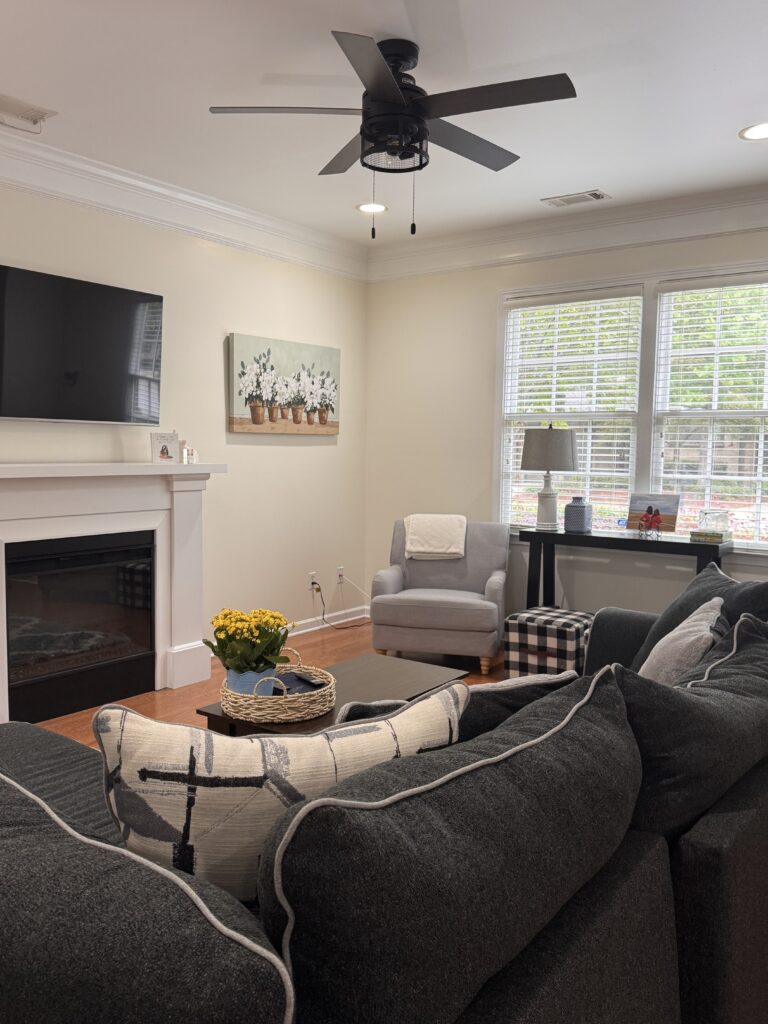
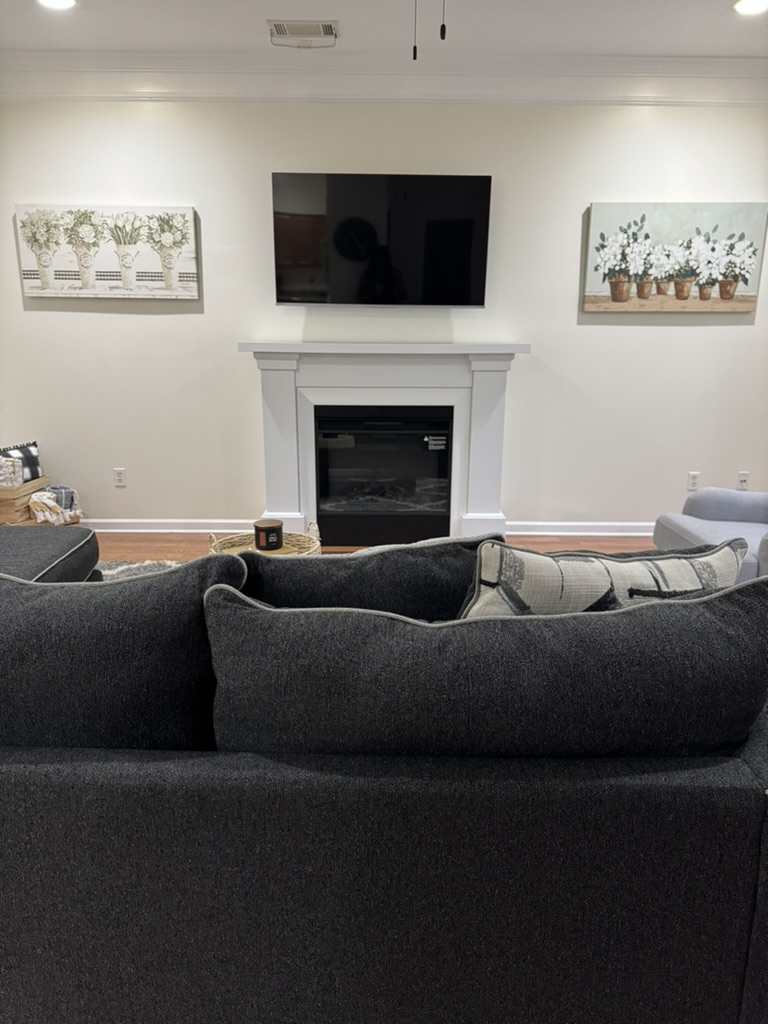
Furniture placement also serves a crucial component of defining my interior style as strategically placed furniture optimizes flow and expands the intention of the room. Sometimes, I ask myself: what purpose should this room serve? By keeping this in mind, I can better determine how the room functions and flows into the next. As someone who enjoys entertaining, I may focus more heavily on the traffic patterns between the dining room, living room, and kitchen, ensuring a seamless transition from one room into one another while maintaining a distinct purpose for each as each room opens to the others. Additionally, how I style the furniture within these spaces depends upon how I intend to utilize the space and the areas within it (e.g., increasing the number of barstools around my island as this serves as a gathering point in my kitchen for company). Strategically staging the furniture has also helped to maintain order in my home, providing my style with a put-together aesthetic throughout the townhome.
Personal Touches Make a Difference
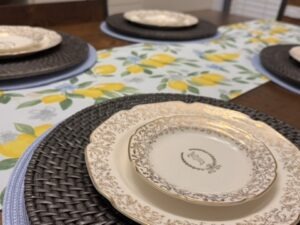
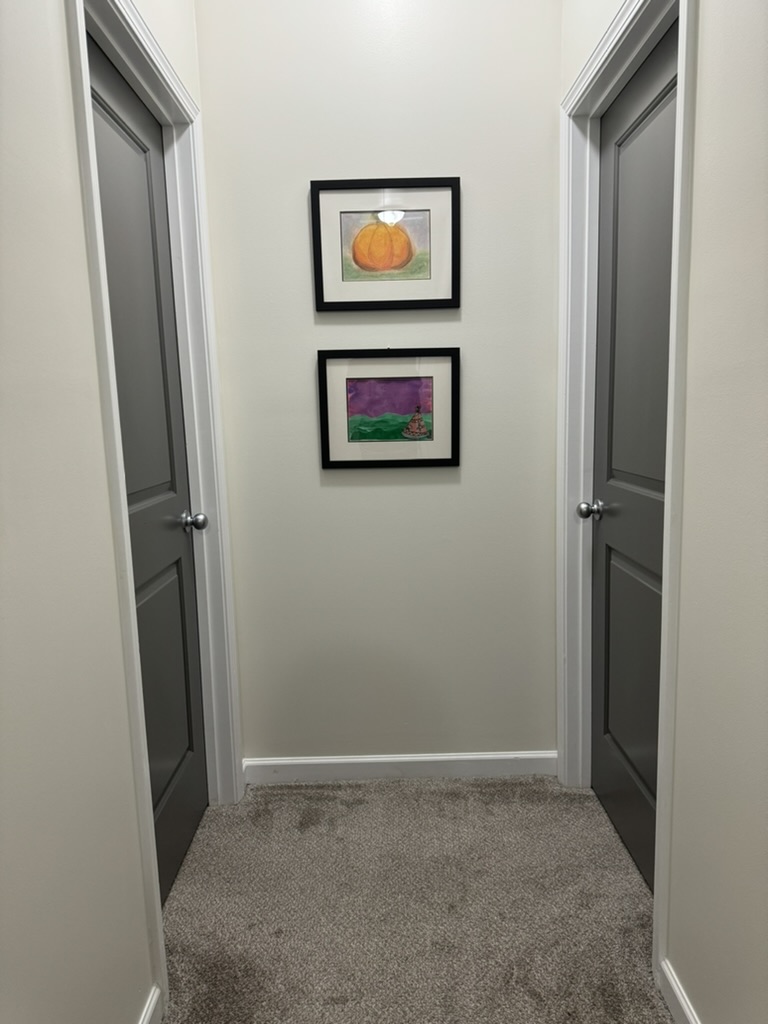
Beyond paint colors and furniture arrangements, personal touches help to breathe life into my space and are vital to achieving my ideal interior style. Leaning into the transitional and cottage aspects of my style, I like to integrate family heirlooms or possessions that have been passed down into my design choices. I really cherish the heirlooms that I have the luxury of keeping as we don’t have an abundance of them in my family. Aside from heirlooms, I have found ways to incorporate childhood items within my townhome such as high school yearbooks or framed elementary art class projects. Whether showcasing heirlooms or artwork, accessorizing thoughtfully highlights my personality and creates a deeper connection to my home while ensuring it remains cohesive with my overall design theme.
Lessons I Learned Along the Way
Throughout this experience, a few lessons have resonated with me and shaped my design thought process going forward.
- Balance is Key: I have always been the person who chose the brightness of lighter colors because it made rooms feel more open and airy. Since living in my townhouse, I realized how impactful darker colors can be to help to ground the space and prevent all the elements from blending in together. Adding enough contrast into a room can instantly ground and balance out an overly sterile room whether it’s a dark wooden piece of furniture, a matte black framed picture, or dark colored accent piece.
- Trust Your Judgement and Abilities: My grandfather had a knack for carpentry, home improvement essentials, and DIY know-how to completely master any project or task around the house with ease. Unfortunately, I never had a chance to really ask him a lot of questions about homeownership before he passed a few years ago. In a way to feel closer to him, I strive to add sweat equity into my own home and learn essential skills in which I can utilize when beginning a new project. I have since discovered that trusting my abilities and research (along with a prayer or two) has allowed me to accomplish a lot more design wise and feel more comfortable as I learn from my mistakes. I don’t have it all figured out, but what I do know is this home is becoming more of a safe space for me, where I have such a great opportunity to learn more about myself than I ever imagined.
- It’s a Journey, Not a Race: This is the biggest lesson I learned thus far in my time as a homeowner. After four years of living in my townhouse, I continue to remind myself that progress and meaningful impacts are still happening one small change at a time, even if I don’t always see it. In order to achieve a well-decorated interior, I had to understand the importance of obtaining a genuine feel for what did or did not work in my space and accept the fact that this process takes time. One day down the road, this townhouse will be exactly how I envision, but it won’t happen overnight and that does not mean I can’t create an impact in the process.
Read More from KAYLA & CO. LIVING
- Transforming a Small Patio into an Inviting Outdoor Escape

- Transitional Bathroom Inspiration

- Interior Style: It’s Journey, Not a Race

Leave a Reply